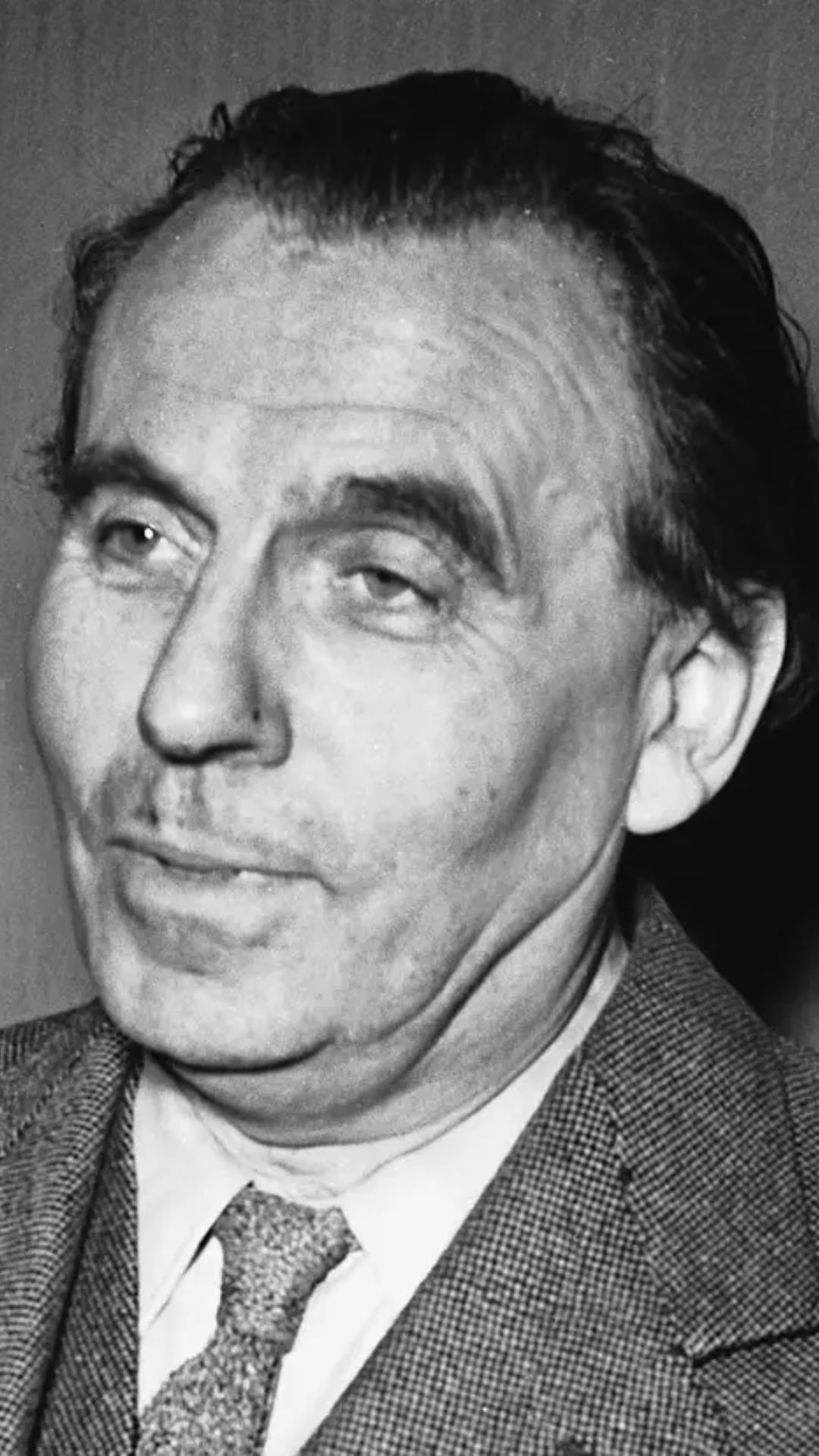
“ I have never voted in my life. I have always known and understood that the idiots are in a majority so it's certain they will win. “


After the war, Céline traveled extensively, working in various capacities, including a stint in colonial Africa. He eventually pursued medical studies, earning his degree in 1924 with a thesis on Ignaz Semmelweis, a pioneer of antiseptic procedures. Céline practiced medicine in Paris, often treating the poor, experiences that would deeply inform his literary work.
His debut novel, "Journey to the End of the Night," is a semi-autobiographical work that follows the protagonist, Ferdinand Bardamu, through experiences mirroring Céline's own: the horrors of World War I, colonial exploits in Africa, and the struggles of working-class life in Paris. The novel is noted for its innovative use of colloquial language and a deeply pessimistic view of human nature.
During World War II, Céline fled France due to his associations with the Vichy regime, eventually settling in Denmark. He was convicted in absentia for collaboration but was later granted amnesty and returned to France in 1951. He continued to write until his death on July 1, 1961, in Meudon, France.